Plan Your 2026 Semana Santa: Dates, Festivities, and Getaways
The anticipation for Semana Santa 2026 is already building, especially as the early spring dates promise a vibrant blend of solemn tradition and much-awaited respite. For many across Spain, Mexico, and beyond, this revered period of Holy Week is more than just a religious observance; it's a deeply rooted cultural phenomenon, a significant travel opportunity, and a cherished time for family and reflection. Given that the specific *fechas Semana Santa 2026* – the dates for Holy Week 2026 – vary annually based on the lunar calendar, knowing them well in advance is crucial for anyone planning to experience its unique magic, embark on a spiritual journey, or simply enjoy a well-deserved break.
This year, the calendar places Semana Santa relatively early in the spring, setting the stage for different planning considerations regarding bookings, travel, and local event programming. From the grand processions that captivate millions to tranquil getaways, understanding these key dates is the first step toward crafting an unforgettable experience.
Unveiling the 2026 Semana Santa Dates: An Early Spring Celebration
The official *fechas Semana Santa 2026* are now confirmed, marking an earlier celebration than in some previous years. This year, Holy Week will unfold from
Sunday, March 29th, to Sunday, April 5th. This early positioning, bridging the end of March and the start of April, distinguishes it from 2025, when the festivities took place later, between April 13th and 20th.
The fluctuating nature of Semana Santa’s dates is tied directly to the ecclesiastical calendar, which determines Easter Sunday as the first Sunday after the first full moon on or after the vernal equinox. This ancient calculation ensures that while the specific dates shift, the profound spiritual significance remains constant. For travelers and locals alike, this early spring timing means that hotels, airlines, and local communities will begin adjusting their offerings and schedules sooner. Those keen on securing the best accommodations or flight deals will find that early planning is not just a recommendation but a necessity. To dive deeper into the confirmed schedule, you can read more at
Semana Santa 2026: Confirmed Dates and Key Holidays.
The eight-day period, commencing with Palm Sunday and concluding with Easter Sunday, is packed with profound religious ceremonies, cultural events, and opportunities for travel and rest. This particular timing, at the cusp of meteorological spring, often brings with it mild weather, perfect for enjoying outdoor processions and exploring various destinations before the peak heat of summer.
The Core of Holy Week: Key Dates and Their Significance
Semana Santa is an intricate tapestry of tradition, devotion, and community, with each day holding particular significance. For 2026, these are the key moments:
- Sunday, March 29th: Palm Sunday (Domingo de Ramos)
This day officially kicks off Semana Santa. It commemorates Jesus' triumphal entry into Jerusalem, with churches and streets adorned with palm and olive branches. In many Spanish and Mexican towns, vibrant processions feature devotees carrying these branches, often blessed during special masses.
- Monday, March 30th – Wednesday, April 1st: Holy Monday, Tuesday, and Wednesday
These days build up to the core of the Paschal Triduum, with various religious services and the initial preparations for the grand processions of the latter half of the week. Brotherhoods (hermandades or cofradías) will be finalizing their intricate floats and arrangements.
- Thursday, April 2nd: Maundy Thursday (Jueves Santo)
Commemorating the Last Supper and the Washing of the Feet, this is a pivotal day. In Spain, it's widely observed as a public holiday, initiating a coveted four-day long weekend for many. Grand processions, often starting late into the night, begin to fill the streets, marked by solemnity and fervor.
- Friday, April 3rd: Good Friday (Viernes Santo)
The most solemn day of the week, Good Friday observes the Passion of Christ and his crucifixion. It is a public holiday across most of Spain and Mexico. Cities come alive with powerful, often silent, processions depicting the Stations of the Cross, drawing immense crowds of onlookers and participants.
- Saturday, April 4th: Holy Saturday (Sábado Santo)
A day of quiet reflection and mourning, anticipating the Resurrection. Churches often remain subdued, leading up to the Easter Vigil celebrations that begin after nightfall, marking the transition from sorrow to joy.
- Sunday, April 5th: Easter Sunday (Domingo de Resurrección)
The culmination of Holy Week, celebrating the Resurrection of Jesus. This day is marked by jubilant masses, vibrant processions (sometimes featuring encounters between images of the Risen Christ and the Virgin Mary), and family gatherings. It signifies new beginnings and hope.
It's worth noting that while Maundy Thursday and Good Friday are almost universally recognized public holidays in Spain, the specific public holiday schedule can vary between autonomous communities. This distinction is vital for those planning their travel and time off. The early arrival of these dates in 2026 has specific implications for travel and holiday planning, which you can explore further in
Semana Santa 2026 Arrives Early: Dates and Travel Impact. Similarly, in Mexico, while many enjoy the full week off, official public holidays may be limited to specific days.
Planning Your Semana Santa 2026 Getaway: Destinations and Experiences
The early *fechas Semana Santa 2026* provide a fantastic opportunity to immerse yourself in rich cultural traditions or simply enjoy a relaxing break. Whether you're drawn by deep spiritual conviction or a desire for cultural exploration, choosing your destination carefully can greatly enhance your experience.
Top Destinations for Semana Santa:
- Spain:
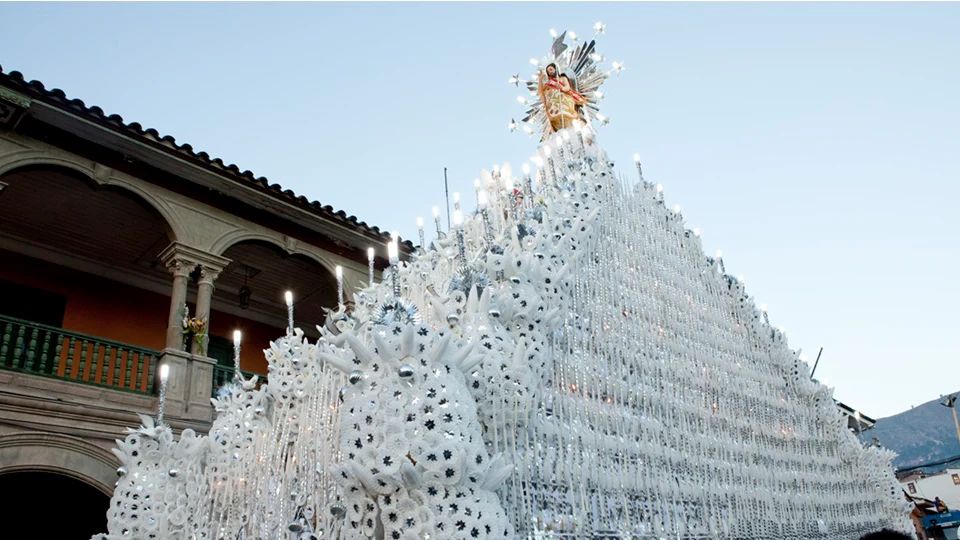
- Seville (Andalusia): Renowned globally for its spectacular and deeply emotional processions. The sight of hooded penitents (nazarenos) accompanying enormous, intricately decorated floats (pasos) through narrow cobblestone streets, often to the haunting sound of a flamenco saeta, is an unforgettable experience.
- Málaga (Andalusia): Offers a more extroverted and passionate celebration, with a strong military presence and particularly large processional images.
- Valladolid (Castilla y León): Known for its solemnity and remarkable collection of polychrome wooden sculptures, often works of art by famous Baroque masters, which are paraded through the city.
- Zamora (Castilla y León): Celebrated for its profound silence and austerity, particularly during its nocturnal processions, offering a truly reflective experience.
- Granada (Andalusia): Combines the dramatic beauty of its setting against the Alhambra with powerful, traditional processions.
- Mexico:
- Iztapalapa (Mexico City): Home to one of the world's largest and most realistic Passion Plays, a deeply moving re-enactment of the Passion of Christ involving thousands of local participants.
- San Miguel de Allende (Guanajuato): Known for its unique Holy Week traditions, blending indigenous and Catholic customs, including solemn processions and vibrant street decorations.
- Oaxaca (Oaxaca): Offers a blend of traditional Catholic services and indigenous cultural expressions, especially during its dramatic nocturnal processions.
Beyond these major hubs, countless smaller towns and villages across both countries offer equally authentic, if more intimate, celebrations. For those seeking relaxation rather than religious fervor, the early spring dates are perfect for city breaks, hiking in natural parks, or even an early start to beach season in warmer coastal areas (though the water might still be chilly!).
Essential Tips for a Seamless Semana Santa 2026 Trip
Given the popularity and the early arrival of the *fechas Semana Santa 2026*, proactive planning is your best friend.
- Book Early, Especially for Flights and Accommodation: As soon as your travel dates are firm, secure your flights and hotels. Prices for both escalate dramatically as the dates approach. Consider staying slightly outside major city centers for better value, using public transport to reach the heart of the action.
- Check Local Schedules and Routes: Procession times and routes can be complex and change due to weather or other factors. Obtain local guides or apps upon arrival. Finding a good spot for viewing often requires arriving well in advance.
- Understand Public Holidays: Especially in Spain, regional differences in public holidays can affect local businesses and transportation. Plan accordingly.
- Pack Smart for Early Spring: While it’s spring, the weather can be unpredictable. Layers are key, including comfortable walking shoes, a light jacket, and perhaps an umbrella.
- Embrace the Culture with Respect: Semana Santa is deeply religious. Dress respectfully, especially in churches or near processions. Be prepared for large crowds and temporary road closures.
- Sample Local Delicacies: Many regions have specific culinary traditions during Holy Week, from Lenten dishes to special sweets like *torrijas* (Spanish French toast). Don't miss the opportunity to taste these seasonal treats.
- Consider Travel Insurance: With early bookings, travel insurance can provide peace of mind against unforeseen cancellations or disruptions.
As the calendar turns towards 2026, the unique timing of Semana Santa at the end of March and beginning of April offers a fantastic window for travel, cultural immersion, and personal reflection. By understanding the *fechas Semana Santa 2026* and employing smart planning strategies, you can ensure your experience of this extraordinary tradition is enriching and hassle-free. Start envisioning your journey now – whether it's through the solemn streets of Seville, the vibrant heart of Iztapalapa, or a peaceful retreat – and prepare to be part of a truly unforgettable celebration.