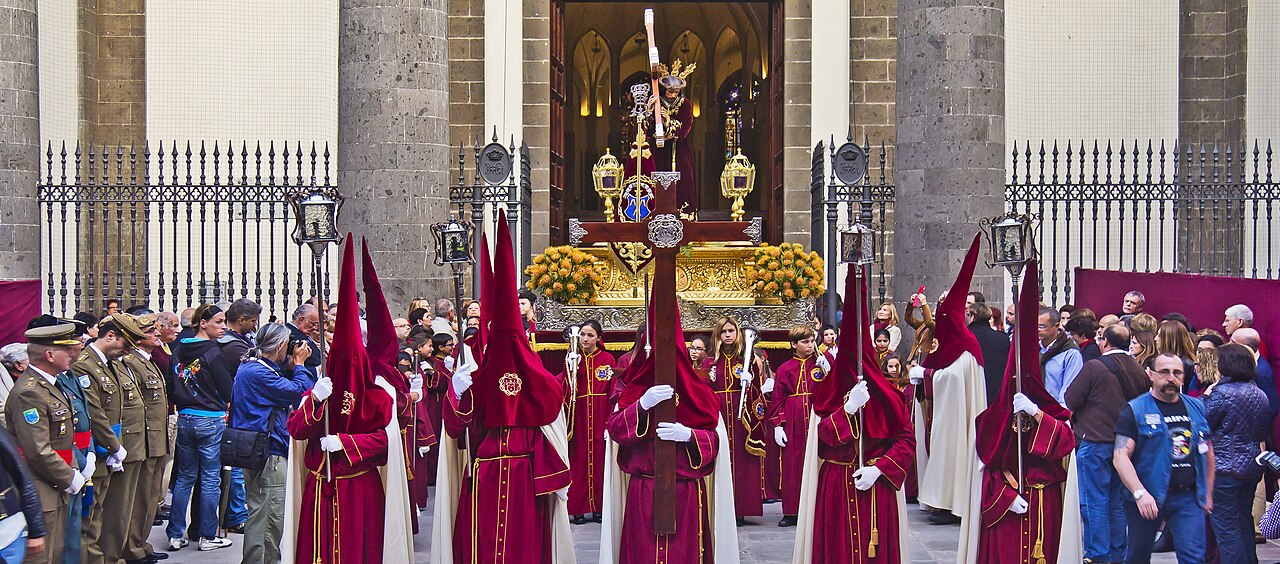
Semana Santa 2026 Arrives Early: Dates and Travel Impact
The eagerly anticipated period of Semana Santa is once again approaching, and for 2026, the excitement begins even sooner than many might expect. Firmly positioned at the cusp of March and April, the **fechas Semana Santa 2026** signal an earlier start to this deeply cherished time of religious observance, cultural tradition, and widespread travel. This calendrical shift, meticulously determined by the intricate dance of the lunar cycle, carries significant implications for everything from flight and accommodation bookings to the meticulous planning of solemn religious processions and vibrant family getaways across the Spanish-speaking world and beyond.
Millions across Spain, Latin America, and other regions eagerly await Holy Week, not only for its profound spiritual significance but also for the valuable opportunity it presents for rest, reconnection, and exploration. The recurring question, "When exactly does Semana Santa fall?" becomes particularly pertinent when its dates diverge from the previous year. This early placement in the spring of 2026 demands proactive planning, making an understanding of the official calendar essential for anyone hoping to participate, travel, or simply enjoy the festive atmosphere.
Unveiling the `Fechas Semana Santa 2026`: An Earlier Spring Arrival
Get ready to mark your calendars: the official **fechas Semana Santa 2026** are now confirmed, setting the stage for an immersive week of devotion and celebration. This year, Holy Week will commence on
Sunday, March 29th, with Palm Sunday, and conclude on
Sunday, April 5th, marking Easter Sunday.
This schedule places Semana Santa 2026 notably earlier in the year compared to its 2025 iteration, which took place from April 13th to April 20th. Such variations are a direct consequence of the liturgical calendar's reliance on the lunar cycle, specifically determining Easter as the first Sunday after the first full moon following the spring equinox. This ancient calculation ensures that while the spirit of the celebration remains constant, its precise timing offers a unique experience each year.
The eight days of Semana Santa are punctuated by several critically important observances:
*
Domingo de Ramos (Palm Sunday), March 29th: The official opening of Holy Week, commemorating Jesus's entry into Jerusalem. This day sees the blessing of palm and olive branches and the commencement of numerous processions.
*
Jueves Santo (Holy Thursday): This day remembers the Last Supper and the Washing of the Feet. It is a public holiday in most of Spain, often extending into a long weekend for many.
*
Viernes Santo (Good Friday): Commemorating the crucifixion of Jesus, this is perhaps the most solemn day of the week, characterized by silent processions and penitence. Like Holy Thursday, it is widely observed as a public holiday.
*
Sábado Santo (Holy Saturday): A day of quiet reflection and vigil, awaiting the Resurrection.
*
Domingo de Resurrección (Easter Sunday), April 5th: The joyous culmination of Semana Santa, celebrating the resurrection of Christ. This day marks the end of the Lenten period and the beginning of the Easter season.
Understanding these key dates is paramount for religious participants, cultural enthusiasts, and travelers alike, allowing for detailed planning to fully immerse oneself in the experience.
The Ripple Effect: How Early `Fechas Semana Santa 2026` Impact Travel and Local Planning
The early placement of the **fechas Semana Santa 2026** has a tangible ripple effect across various sectors, most notably impacting travel, hospitality, and municipal organization. With Holy Week arriving at the tail end of March, it means less lead time for many compared to years when it falls later in April.
*
Travel Bookings and Pricing: The earlier dates tend to compress the booking window, leading to an intensified demand for flights, trains, and accommodations. Travelers who typically wait until mid-spring to finalize plans might find themselves facing higher prices and limited availability. Airlines and hotels often adjust their tariffs to reflect this surge, so proactive booking is not just advisable, it's essential. This early influx of travelers also means popular destinations, particularly those renowned for their Holy Week processions like Seville, Malaga, and Valladolid, will fill up quickly. For detailed insights on navigating the holiday rush, consider reading our guide on
Semana Santa 2026: Confirmed Dates and Key Holidays.
*
Municipal and Brotherhood Preparations: Local councils and religious brotherhoods (hermandades) across countless cities and towns begin their extensive preparations well in advance. An earlier Semana Santa might necessitate accelerating logistical arrangements for processions, securing routes, coordinating with emergency services, and setting up viewing stands. The early spring weather, while potentially pleasant, also introduces a higher chance of unpredictable conditions, which can impact outdoor events.
*
The Four-Day Bridge: For many workers in Spain, Holy Thursday and Good Friday are public holidays, creating a highly anticipated four-day weekend. This "puente" or bridge holiday is a prime opportunity for short getaways, family visits, or simply an extended period of rest. The early March start for this break will shift demand for recreational activities and short-haul travel. To make the most of your time off, explore our tips on
Plan Your 2026 Semana Santa: Dates, Festivities, and Getaways.
*
Spring Climate Considerations: While late March and early April usually signal the arrival of spring, an earlier Semana Santa could mean cooler temperatures or a higher likelihood of rain, particularly in northern regions. Travelers should pack accordingly and be prepared for variable weather conditions, especially if planning to spend extended periods outdoors watching processions.
Essential Planning for Semana Santa 2026: Tips and Considerations
To truly savor the experience of Semana Santa 2026, whether for spiritual reflection or cultural immersion, strategic planning is your best ally. Given the earlier dates, being prepared will help mitigate potential challenges.
1.
Book Early, Save More: This cannot be stressed enough. As soon as your travel dates are firm, secure your flights, train tickets, and accommodation. Waiting until the last minute for these **fechas Semana Santa 2026** will almost certainly lead to higher prices and fewer options, especially in popular destinations. Consider booking accommodation with flexible cancellation policies if your plans are not entirely set.
2.
Understand Regional Holidays: While Holy Thursday and Good Friday are widely observed as holidays in Spain, the exact number of public holidays can vary slightly between autonomous communities. Before planning your travels or assuming days off, cross-reference the official calendar for your specific region to avoid any last-minute surprises.
3.
Research Local Schedules: Each city and town has its unique Holy Week traditions and procession schedules. If you have specific events or processions you wish to witness, begin researching their timings and routes well in advance. Many local tourism boards and brotherhoods publish their detailed programs weeks, if not months, beforehand.
4.
Consider Alternative Destinations: If major cities like Seville or Malaga are fully booked or too expensive, consider smaller towns or lesser-known regions that also host beautiful and authentic Semana Santa celebrations. These can offer a more intimate experience and often come with more affordable options.
5.
Pack Smart: With the potential for variable early spring weather, pack layers. Include comfortable walking shoes, as you’ll likely be doing a lot of walking, and perhaps a compact umbrella or light rain jacket.
6.
Embrace the Spirit: Semana Santa is more than just a public holiday; it's a deeply meaningful cultural and religious event. Approach it with respect and an open mind, whether you're observing from afar or participating in the solemn rituals.
A Spiritual and Cultural Journey: More Than Just a Holiday
Beyond the practicalities of travel and logistics, Semana Santa remains, at its heart, a profound spiritual and cultural journey. It is a time for contemplation and remembrance, where centuries-old traditions come alive with vivid imagery, haunting music, and heartfelt devotion. From the elaborate floats (pasos) carried by penitents in Spain to the vibrant allegorical carpets (alfombras) crafted in Guatemala, the expressions of Holy Week are diverse yet united by a common thread of faith.
This period offers a unique opportunity to witness the rich tapestry of Hispanic culture firsthand. It's a chance to connect with local communities, observe ancient customs passed down through generations, and reflect on themes of sacrifice, redemption, and renewal. Whether you are drawn by the religious solemnity, the artistic spectacle, or simply the desire to experience a unique cultural phenomenon, the **fechas Semana Santa 2026** promise an unforgettable experience.
Conclusion
The early arrival of Semana Santa 2026, from March 29th to April 5th, sets the stage for a period of intense activity, deep reflection, and vibrant celebration. Its earlier placement in the calendar makes proactive planning more crucial than ever for travelers, families, and communities alike. By understanding the confirmed dates and anticipating their impact on travel and local festivities, you can ensure a smoother, more enriching experience. So, mark your calendars, make your arrangements, and prepare to immerse yourself in the profound beauty and tradition of Holy Week 2026.