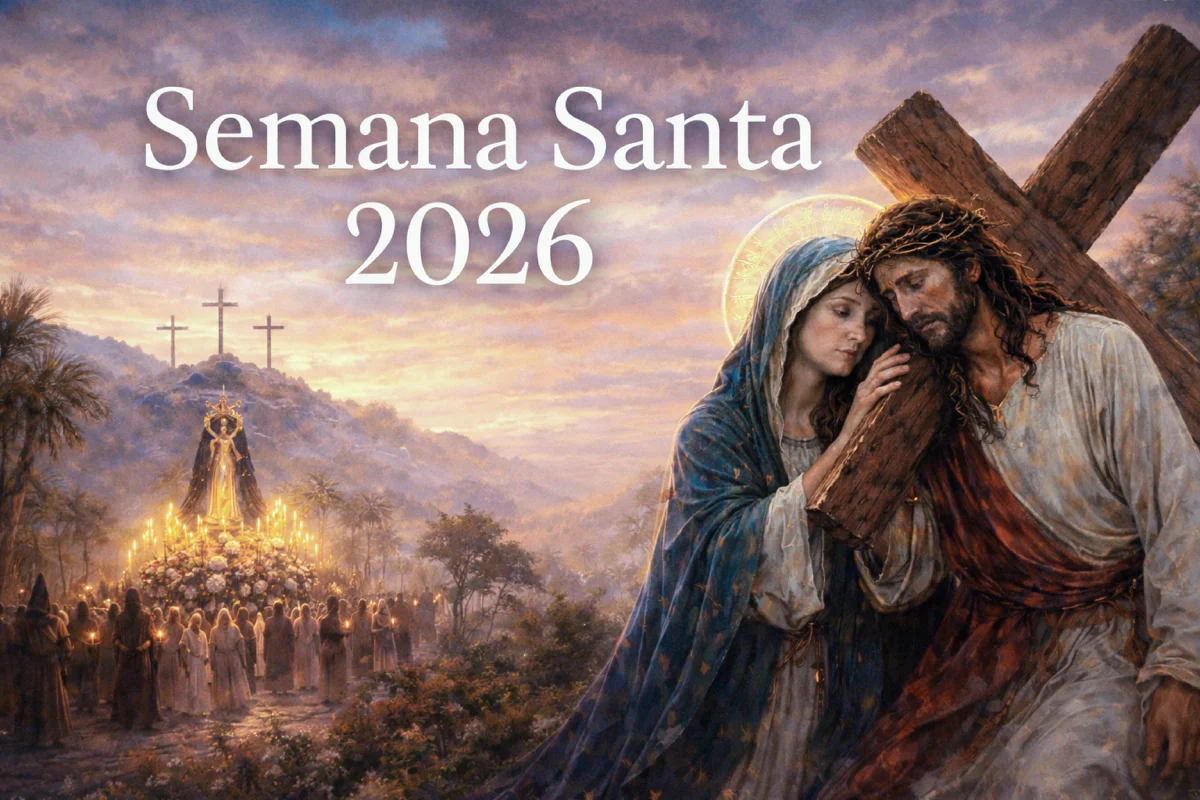
Semana Santa 2026: Confirmed Dates and Key Holidays You Need to Know
As the early months of the year unfold, anticipation for Semana Santa 2026 is already building. This sacred and culturally rich period, deeply rooted in tradition and faith, is a highlight on the annual calendar for millions across the Spanish-speaking world, particularly in Spain and Mexico. Whether you're planning a spiritual pilgrimage, a family vacation, or simply looking forward to a well-deserved break, understanding the precise
fechas Semana Santa 2026 is paramount. Unlike many fixed holidays, the dates for Holy Week fluctuate annually, tied to the lunar calendar, making early confirmation essential for planning.
For 2026, Semana Santa arrives relatively early in the spring season, a detail that significantly influences travel arrangements, accommodation bookings, and local festivities. This early timing means that those eager to immerse themselves in the solemn yet vibrant atmosphere, witness breathtaking processions, or simply enjoy a spring getaway will need to finalize their plans sooner rather than later. The confirmed dates provide a clear roadmap for what promises to be an unforgettable week of reflection, celebration, and tradition.
When is Semana Santa 2026? Confirmed Dates at a Glance
The official dates for Semana Santa 2026 have been confirmed, marking a period that spans the end of March and the beginning of April. This liturgical year will see Holy Week commence earlier than in some previous years, offering a distinct start to the spring festive season.
*
Start Date: Sunday, March 29, 2026 (Domingo de Ramos – Palm Sunday)
*
End Date: Sunday, April 5, 2026 (Domingo de Resurrección – Easter Sunday)
This places the entire celebration squarely between March and April, shifting from recent years where it might have fallen deeper into April. For instance, in 2025, Semana Santa was observed from April 13th to April 20th, making the 2026 dates notably earlier. This early arrival into spring affects everything from expected weather conditions to the timing of municipal events and private travel plans.
Palm Sunday, March 29th, officially inaugurates the Semana Santa calendar. This day marks the beginning of the intense religious observations, starting with the blessing of palm and olive branches, and often the first major processions in many towns and cities. From this point, an entire week of sacred rituals, cultural events, and community gatherings unfolds. The culmination arrives on Easter Sunday, April 5th, signifying the end of this solemn period and the joyous start of the Easter season (Tiempo Pascual). With these
fechas Semana Santa 2026 firmly set, various sectors, from tourism to local brotherhoods, are already fine-tuning their preparations, anticipating the influx of visitors and the spiritual fervor that defines this time.
Understanding the Key Holidays and Their Significance
Semana Santa is not merely a collection of days off; it is an eight-day journey from Palm Sunday to Easter Sunday, each day holding profound religious and cultural significance. While the entire week is observed with varying degrees of solemnity and celebration, certain days are particularly noteworthy, often designated as public holidays, creating a highly anticipated long weekend.
The core of the celebration typically revolves around the final days of the week, leading up to Easter Sunday:
*
Domingo de Ramos (Palm Sunday - March 29): This day commemorates Jesus' triumphal entry into Jerusalem. It's marked by blessings of palm and olive branches and vibrant processions, signaling the official start of Holy Week.
*
Jueves Santo (Maundy Thursday - April 2): Commemorating the Last Supper and the Washing of the Feet, Maundy Thursday is a day of deep spiritual reflection. It is widely observed as a public holiday across much of Spain and Mexico, allowing many to partake in evening processions and vigils.
*
Viernes Santo (Good Friday - April 3): The most solemn day of Semana Santa, Good Friday commemorates the crucifixion of Jesus Christ. Processions on this day are often characterized by silence, gravity, and powerful imagery. Like Maundy Thursday, it is almost universally a public holiday, creating a significant four-day weekend.
*
Sábado Santo (Holy Saturday - April 4): A day of waiting and reflection before the joy of Easter, often marked by silence and expectation, culminating in the Easter Vigil after nightfall.
*
Domingo de Resurrección (Easter Sunday - April 5): The triumphant conclusion of Semana Santa, celebrating the resurrection of Jesus Christ. This day is filled with joy, often featuring more celebratory processions and family gatherings.
It's crucial for travelers and planners to note that while Maundy Thursday and Good Friday are almost always public holidays in Spain, the specific number of festive days can vary between autonomous communities and even municipalities. For example, some regions might also declare Easter Monday (April 6) a holiday, extending the break further. Therefore, checking the official calendar for your specific destination is always a wise step to avoid last-minute surprises and ensure your plans align with local observances. This concentrated period of holidays typically forms a "puente" (bridge) or a long weekend that many eagerly await for travel, rest, or spiritual engagement.
Planning Your Semana Santa 2026: Travel, Traditions, and Tips
With the
fechas Semana Santa 2026 now confirmed as an early spring event, effective planning becomes even more critical. The period's unique blend of religious devotion, cultural spectacle, and travel opportunities draws diverse crowds, making early arrangements essential.
Impact of Early Dates on Travel and Weather
An early Semana Santa, falling largely in March, suggests a higher likelihood of mild but potentially unpredictable spring weather. While sunny days are common, travelers should be prepared for cooler temperatures, especially in the mornings and evenings, and the possibility of spring showers. This timing can also influence crowd dynamics; some might find it a pleasant change before the peak summer travel season, while others might find popular destinations already bustling.
Booking Accommodation and Flights
The influx of both national and international visitors means that hotels, rural accommodations, and rental properties fill up quickly, and prices tend to increase as the dates approach. Airlines also adjust their fares, with flights to major hubs like Seville, Málaga, Madrid, or Mexico City seeing significant demand. To secure the best rates and preferred options, it is highly advisable to book your flights and accommodation several months in advance. Consider exploring alternative transport options like trains or buses, which also require early booking for peak travel days.
Immerse Yourself in the Traditions
Semana Santa is a profound cultural experience. Each city and town, particularly in Andalusia (Spain) or certain regions of Mexico, offers its unique interpretation of the celebrations, from the solemn and silent processions of Castilian towns to the elaborate, often flamboyant displays of Seville.
*
Research Local Schedules: Many cities publish detailed schedules of processions (known as "itinerarios" or "recorridos") well in advance. These include routes, times, and the brotherhoods involved. Studying these can help you plan your viewing spots, especially for the most iconic processions.
*
Experience the Brotherhoods: The heart of Semana Santa lies with the "hermandades" or "cofradías" (brotherhoods), which organize the processions. Witnessing their dedication, the intricate floats ("pasos"), and the unique music (or silence) is an unparalleled experience.
*
Food and Festivities: While it is a solemn period, it also has its culinary traditions. Expect special Lenten dishes and sweets ("torrijas" in Spain are a must-try!).
For those looking to plan their trips effectively and dive deeper into the local customs, consider checking out resources like
Semana Santa 2026 Arrives Early: Dates and Travel Impact for more insights into how these early dates could shape your journey. Also, to make the most of your time, explore comprehensive planning guides such as
Plan Your 2026 Semana Santa: Dates, Festivities, and Getaways.
Practical Tips for Your Visit:
*
Check Regional Holidays: As mentioned, public holidays can vary. Confirm specific regional holidays for your destination to understand which days businesses might be closed or have reduced hours.
*
Pack Smart: Dress in layers to accommodate fluctuating spring temperatures. Comfortable walking shoes are a must, as you'll likely spend a lot of time on your feet, especially during processions.
*
Arrive Early for Processions: Popular viewing spots fill up quickly. Arrive well in advance to secure a good position.
*
Be Respectful: Remember that for many, Semana Santa is a deeply religious event. Observe local customs and show respect, particularly during solemn moments.
*
Consider Off-the-Beaten-Path Destinations: While major cities like Seville, Malaga, and Valladolid are famous, smaller towns and villages often offer equally authentic and less crowded experiences.
In conclusion, the
fechas Semana Santa 2026, from March 29th to April 5th, signal an early start to one of the most significant periods in the calendar. This unique blend of spiritual observance, cultural spectacle, and an opportunity for travel and rest draws thousands, making early planning not just recommended, but essential. By confirming these dates, understanding the key holidays, and employing smart travel strategies, you can ensure a memorable and enriching Semana Santa experience.